By Anthony Okolocha Odigwe
Stopping oil theft in Nigeria requires a multi-faceted approach that involves the government, security agencies, local communities, and oil companies. Here’s a comprehensive overview of the issue and potential solutions:
The Problem:
Oil theft is a significant challenge in Nigeria, with estimated losses of N8.41 trillion between 2021 and July 2025. This translates to daily crude oil losses of 9,600 barrels per day, down from 102,900 barrels per day in 2021. The theft not only deprives the government of revenue but also damages the environment, disrupts local economies, and fuels insecurity. In fact, a study by the National Oil Spill Detection and Response Agency (NOSDRA) found that oil theft has resulted in the spillage of over 100,000 barrels of oil in the Niger Delta region alone, causing significant environmental damage.
Causes of Oil Theft:
- Lack of effective surveillance and security: Inadequate monitoring and protection of pipelines and oil infrastructure make them vulnerable to theft.
- Corruption and complicity: Corrupt officials and security personnel often collude with oil thieves, facilitating the crime.
- Poverty and unemployment: Local communities may engage in oil theft due to lack of economic opportunities and poverty.
- Organized crime: Sophisticated criminal networks are involved in large-scale oil theft, often using advanced technology.
Solutions:
- Improved surveillance and security: Deploying advanced technology, such as sensors and drones, to monitor pipelines and oil infrastructure.
- Community engagement and participation: Involving local communities in oil infrastructure protection and providing them with economic benefits.
- Stricter enforcement and prosecution: Implementing harsh penalties for oil thieves and corrupt officials, and ensuring swift prosecution.
- Transparency and accountability: Implementing transparent metering and reporting systems to track oil production and losses.
- Addressing poverty and unemployment: Providing economic opportunities and jobs to local communities to enable them fight the incidence oil theft.
Success Stories:
- Tantita Security Services Limited (TSSNL): A private security firm that has made significant progress in reducing oil theft in the Niger Delta region. TSSNL has secured over 1,200 kilometers of pipelines, dismantled 500 illegal bunkering sites, and arrested 300 oil thieves. According to reports, TSSNL has reduced oil theft in the region by over 70%.
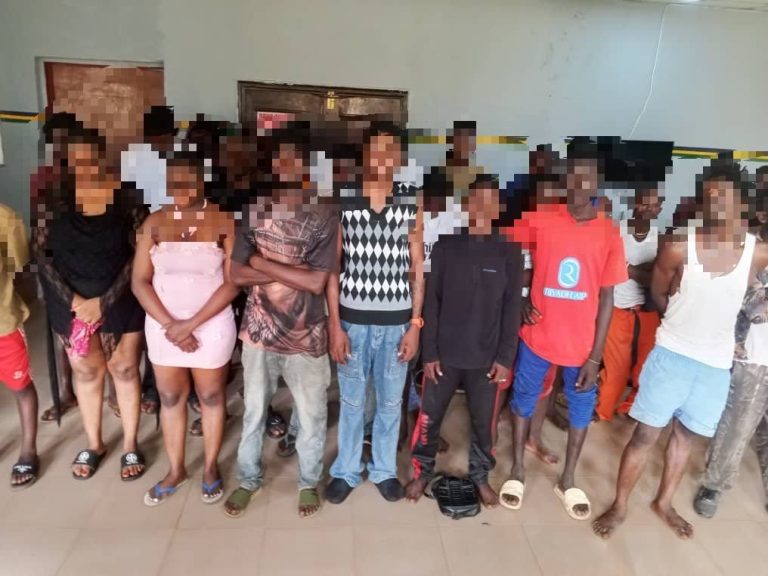
- Collaboration between government agencies and security forces: The Nigerian military, police, and other security agencies have made significant seizures of stolen crude oil and arrested suspects. For example, in 2022, the Nigerian Navy intercepted a vessel carrying stolen crude oil worth N2 billion.
Challenges:
- Corruption and resistance: Corrupt officials and oil thieves may resist efforts to stop oil theft.
- Limited resources: Security agencies and local communities may lack the resources and capacity to effectively combat oil theft.
- Complexity of the issue: Oil theft involves complex networks and sophisticated methods, making it challenging to combat.
Way Forward:
- Increased funding and support: Providing adequate resources to security agencies and local communities to combat oil theft.
- Improved collaboration: Enhancing collaboration between government agencies, security forces, and local communities to share intelligence and best practices. This is crucial in combating oil theft, as it requires a coordinated effort from all stakeholders.
- Sustained efforts: Continuing efforts to combat oil theft, despite challenges and resistance.
Key Takeaways:
- Oil theft has significant economic and environmental impacts, including loss of revenue, environmental damage, and disruption of local economies.
- Addressing oil theft requires a comprehensive approach that involves all stakeholders, including government agencies, security forces, local communities, and oil companies.
- Collaboration between government agencies, security forces, and local communities is crucial in combating oil theft.
Recommendations:
- The government should provide adequate funding and support to security agencies and local communities to combat oil theft.
- Oil companies should prioritize transparency and accountability in their operations, including implementing transparent metering and reporting systems.
- Local communities should be involved in oil infrastructure protection and provided with economic benefits to reduce their reliance on oil theft.
By adopting a comprehensive approach that addresses the root causes of oil theft and involves all stakeholders, Nigeria can reduce oil theft and increase revenue for development projects.
About the Author