
A clarion call for competence, capacity and character over sentiments and patronage
As Nigeria’s political machinery begins warming up ahead of the 2027 general elections, a prominent voice has risen from the Ndokwa nation with a bold and unsparing message to political leaders: the era of sentiment, loyalty, and the highest bidder must end.
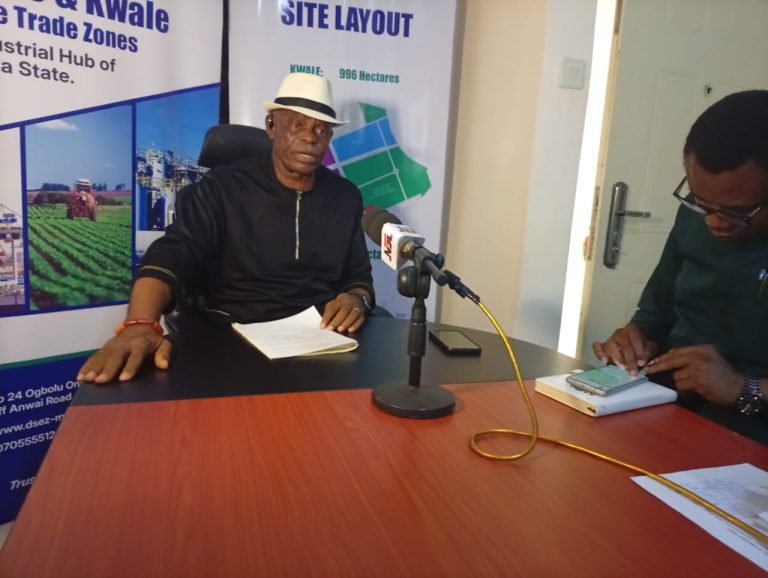
Ambassador Chuks Ododo, in a passionate and incisive address, has called on Ndokwa political leaders to be intentional and strategic in selecting candidates to represent the Ndokwa people across all elective positions, from the State House of Assembly to the Federal House of Representatives and the Senate
A History of Misplaced Priorities
Ambassador Ododo did not mince words as he dissected the trajectory of Ndokwa politics since the return of democracy in 1999. According to him, political leaders have consistently failed to prioritise the three pillars critical to effective representation: competence, capacity, and character, choosing instead to reward loyalty, personal gain, sentiment, and financial muscle.
“Oftentimes, leaders choose or endorse candidates whom they believe will be loyal to them, have large pockets, or be able to consult leaders with more money than others,” Ambassador Ododo stated, adding that this culture of patronage has come at a devastating cost to the development of Ndokwaland.
In a striking assessment, he revealed that a careful analysis of candidates who have emerged from party primaries to represent Ndokwa at various political offices shows that a staggering 90 per cent lacked capacity and competence, having been selected based on sentiment, perceived loyalty, and financial influence. The consequences, he argued, are self-evident representatives who struggle to lobby for, or influence, meaningful development projects for their constituents.
The Contractor Mentality Must Go
Ambassador Ododo drew a sharp distinction between the early days of Nigeria’s democracy, when elected representatives frequently doubled as contractors, a practice that undermined the legislative function, and the demands of today’s maturing democratic environment.
“State and federal houses are no longer meant for contractors,” he declared. “Positions like the State House of Assembly, the Federal House of Representatives, or the Senate need highly intelligent candidates who understand policies and executive bills, possess analytical mindsets, are creative, and have people, negotiation, and lobbying skills, not those who carry paper qualifications without competent skills.”
He pointed to a revealing pattern in the current Delta State House of Assembly, noting that the majority of honourables who have faced suspension or sanction in the current assembly were those who transitioned directly from Local Government chairmanship to the legislature. “What does this tell us?” he posed rhetorically, adding that many of such representatives end up as benchwarmers, securing neither principal offices nor meaningful committee memberships.
A Warning Against Automatic Entitlement
In remarks likely to spark significant debate within Ndokwa political circles, Ambassador Ododo cautioned against assuming that prior public office automatically qualifies an individual for higher legislative responsibilities.
“Ndokwa should not make the mistake of thinking that once you are a local government chairman, going to contest for the House of Assembly should be automatic or guaranteed competence and capacity,” he warned pointedly.
He contrasted Ndokwa’s approach with that of other ethnic groups who, he noted, have learnt to navigate the configuration of Nigerian politics by projecting their very best candidates, people equipped to negotiate at the highest levels and deliver tangible dividends of democracy to their communities.
“In Ndokwa, political leaders are more focused on their pockets and sentiment rather than selecting a competent candidate who will bring good governance or influence projects,” he lamented.
A Call to Action
As political parties prepare for primaries, Ambassador Ododo issued a direct and impassioned appeal to Ndokwa’s political leadership to rise above personal interests and embrace a new standard of candidate selection, one anchored firmly in competence, capacity, and character.
“Leaders must avoid personal interest, sentiment, or loyalty against competence and capacity, because we cannot continue to allow Ndokwa development to suffer,” he urged. “Ndokwa political leaders must move away from the current trajectory to salvage the development deprivation facing Ndokwa.”
His message is clear: the choices made in the forthcoming primaries will determine not just who represents Ndokwa in the next political dispensation, but whether the region will finally begin to claim its rightful place in Nigeria’s development landscape.
The stakes,
Ambassador Ododo insists, have never been higher, and the time for change is now.
in the interest of democratic accountability and the development of Ndokwaland.
About the Author