Koko, Kwale FTZs attract investors
AfDB to establish agro-industrial hub in Kwale
Phoenix Gas to supply 3MW surplus power
By Onomiguren Agbamu
Delta State is positioning its 3,200-hectare Special Economic Zone (DSEZ) as a major industrial and investment hub capable of driving the state’s transition from an oil-dependent economy to a diversified, production-driven economy.
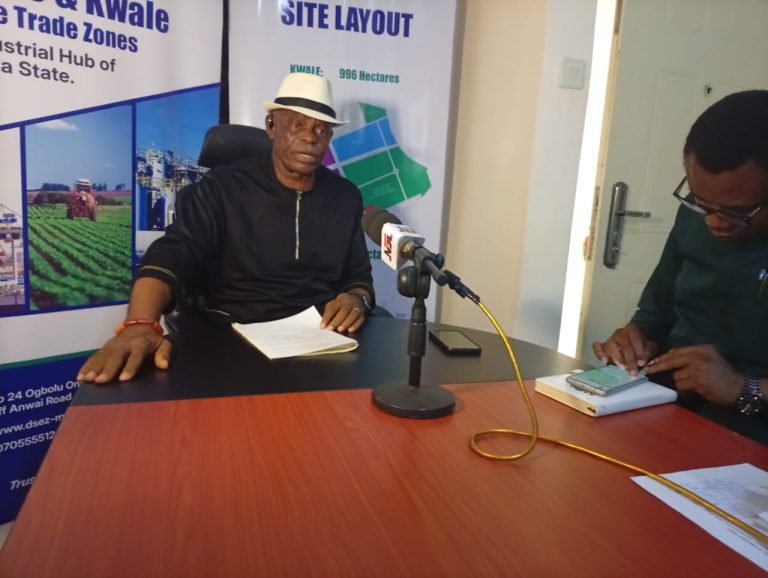
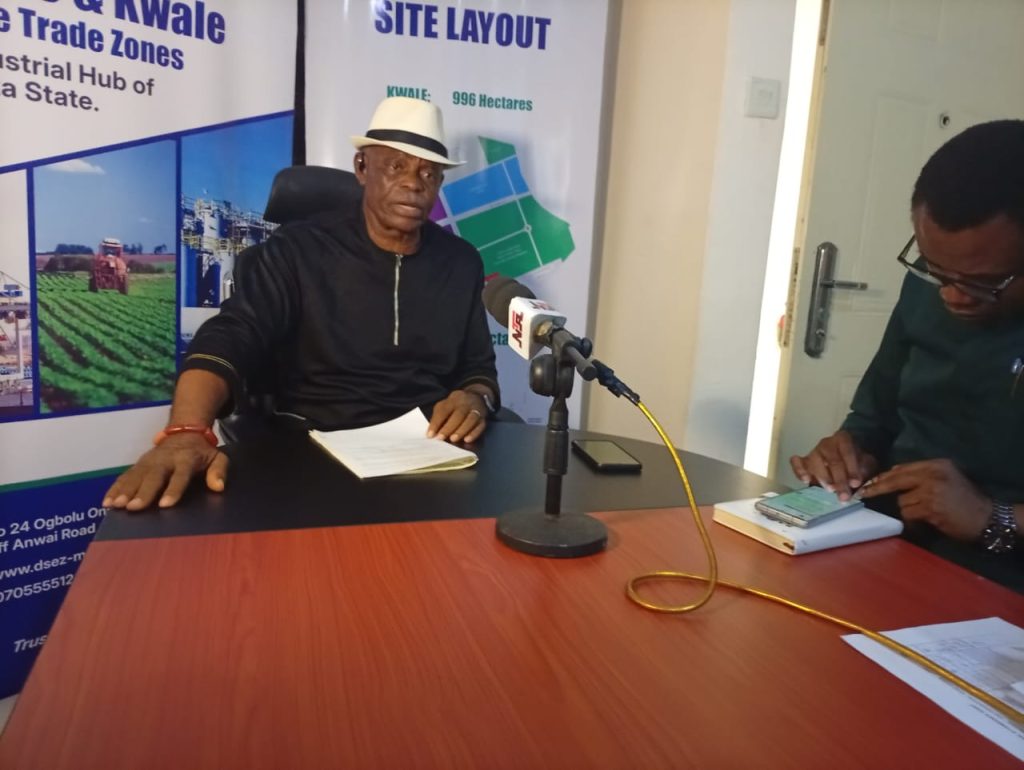
Chairman of the Delta Special Economic Zone Management Company (DSEZ-MC), Brigadier-General Mike Ndubisi (retd.), disclosed this at a press briefing, saying the Koko and Kwale Free Trade Zones were already attracting investments in energy, manufacturing, petrochemicals, agro-processing and other strategic sectors.
He said the DSEZ, comprising 2,200 hectares at Koko and 1,000 hectares at Kwale, was established to provide a platform for the actualisation of the state’s “Delta Beyond Oil” agenda.
According to him, the initiative was conceived by the immediate past governor of the state, Senator Ifeanyi Okowa, who expanded the former Kwale Industrial Park project into a broader Special Economic Zone framework.
Ndubisi said the state secured the Federal Government’s licence for the DSEZ through the Nigeria Export Processing Zones Authority (NEPZA) in April 2023.
He added that the zone’s strong voting membership of the World Free Zones Organization (WFZO) underscored Delta State’s determination to compete for investments in the global free-zone economy.
Investment incentives
The DSEZ-MC chairman said investors operating in the zones would benefit from company income tax and duty exemptions, 100 per cent profit repatriation, one-stop investment facilitation and legal protections designed to promote ease of doing business.
Ndubisi particularly commended Governor Sheriff Oborevwori for sustaining and accelerating the project through funding for the zone’s licence, infrastructure development and direct investment support.
He said the governor’s interventions had helped move the DSEZ from policy conception towards practical industrialisation.
Koko: Gas-based industrial hub
Giving details of activities at Koko, Ndubisi said the 2,200-hectare free trade zone was being developed as a gas-based industrial hub aligned with the Nigerian Gas Master Plan.
He said the zone would accommodate industries in petrochemicals, steel, refining, logistics and agro-processing, while its master plan envisaged a self-sustaining industrial city with residential areas, healthcare facilities, commercial centres and vocational institutions.
Among the companies currently active in the Koko zone, he listed Koko Refinery & Petrochemical Company, Delta Energy Park, Tetracore Energy Group and Huafei Auto Trading.
Ndubisi said Koko’s proximity to the Koko Port, which is slated for deep-sea modernisation, would give businesses in the zone a major logistics advantage.
He added that the zone was within easy reach of Benin Airport, Osubi Airport and Asaba International Airport, while rail connections to Warri, Abraka and Agbor would further strengthen its transportation network.
Kwale attracts AfDB project
At the Kwale Free Trade Zone, the chairman said the 1,000-hectare facility was strategically located in Ndokwa West Local Government Area and hosted by five communities.
He said its location provided a strategic connection between Delta North, Delta South and the East-West Road corridor into the interior of the Niger Delta.
According to him, the zone is situated over OMLs 60, 61, 62 and 63 and is supported by the OB3 Pipeline and Escravos-Lagos Pipeline System (ELPS) interconnections.
He listed Phoenix Gas, Delta Wire, Xenergi, Chorus Energy, Master Chemicals & Fertilizer, in partnership with Dantata, and South Atlantic LNG among the companies currently operating in the zone.
A major attraction, he said, was the planned African Development Bank (AfDB) agro-industrial hub, with 200 hectares allocated for the bank’s Special Agro-Industrial Processing Zones programme.
Phoenix Gas to generate 3MW surplus
Ndubisi disclosed that Phoenix Gas would soon commence operations in the zone and make three megawatts of surplus electricity available for distribution to Kwale and surrounding communities.
He said the development would contribute to improving power supply needed to support industrial activities and stimulate economic growth in the area.
Oborevwori approves 5km roads
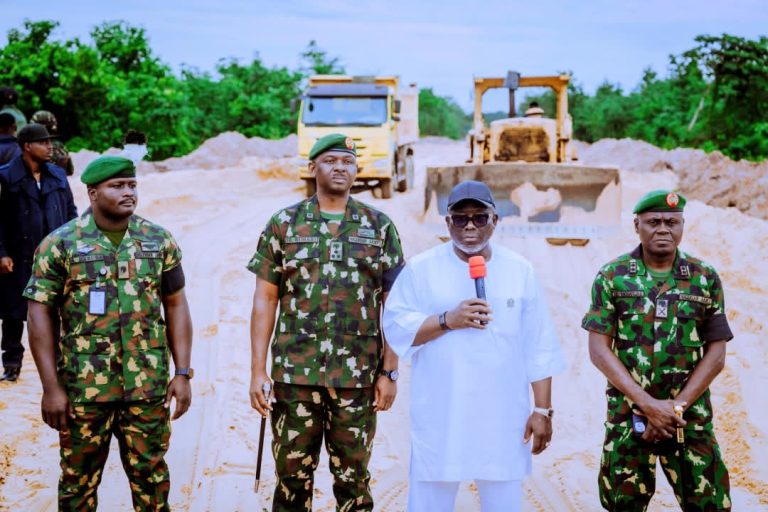
The chairman further disclosed that Governor Oborevwori had approved the construction of five kilometres of internal roads in the Kwale Free Trade Zone.
He said the contractor had already moved to site, while a one-kilometre interlocked road being constructed by Xenergi was nearing completion.
Ndubisi said improved infrastructure remained critical to unlocking the investment potential of the zone and attracting more businesses.
‘DSEZ will create jobs, drive post-oil economy’
The DSEZ-MC chairman said the development of the Koko and Kwale Free Trade Zones was evidence of continuity in governance and a deliberate strategy to build a resilient post-oil economy for Delta State.
He said: “The Kwale and Koko Free Trade Zones stand as a testament to visionary leadership and governance continuity.
“Initiated by the former Governor, Dr Ifeanyi Okowa, CON, and actively expanded by His Excellency, Rt. Hon. Sheriff Oborevwori, the DSEZ is rapidly evolving into an economic engine driving a resilient, post-oil Delta State.”
He said the DSEZ would help the state overcome the challenges associated with dependence on a monolithic economy by developing an interconnected value-chain ecosystem.
Ndubisi expressed optimism that Deltans would soon begin to feel the impact of the zones through increased investments, industrial activities, employment and opportunities for the state’s youthful population.
He assured existing and prospective investors that the DSEZ-MC would continue to work with relevant stakeholders to provide an enabling environment for businesses to thrive and position Delta State as a competitive destination for domestic and international investment.
About the Author