
By Onomiguren Agbamu
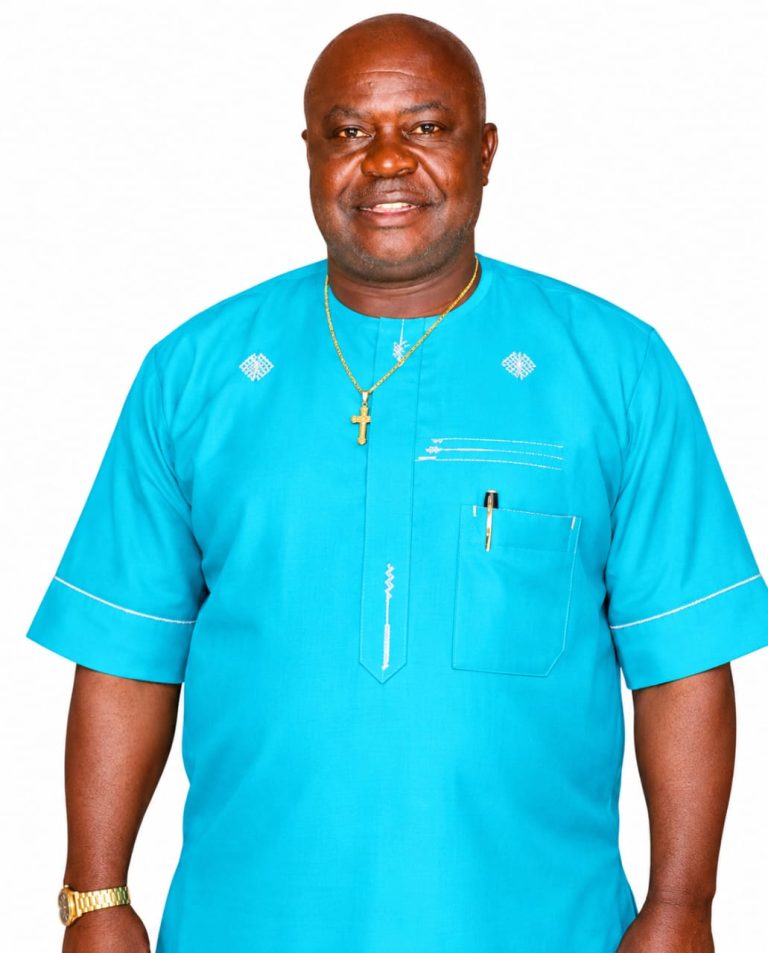
Delta State has emerged as the highest-ranked state in liquidity rating among Nigeria’s 36 states, according to the Commissioner for Finance, Sir Fidelis Okenmor Tilije.
Tilije attributed the state’s improved financial standing to fiscal discipline, increased revenue generation and prudent resource management under the administration of Governor Sheriff Oborevwori.
The commissioner made this known during a meeting with management and staff of the Ministry of Finance in Asaba, where he outlined the financial strategies guiding the state government’s development agenda.
Fiscal Discipline and Zero Borrowing Drive Growth
According to Tilije, Delta State’s improved fiscal position reflects the implementation of reforms under the administration’s M.O.R.E Agenda, with particular emphasis on responsible borrowing, revenue diversification and efficient public financial management.
He explained that the state is currently funding its 2026 procurement cycle and executing major infrastructure projects across the roads, bridges, healthcare and education sectors without taking on new debt.
The commissioner described the government’s zero-borrowing approach as a key part of its fiscal strategy, noting that the administration remains committed to meeting its financial obligations and delivering development projects using available resources.
He added that the state’s expanding revenue base, especially through non-oil economic activities and improved internally generated revenue (IGR), has played a significant role in strengthening its financial stability.
Improved IGR Without Higher Tax Rates
Tilije maintained that the growth in internally generated revenue was not driven by increases in tax rates but by reforms designed to improve revenue collection and compliance.
According to him, the government has focused on professionalising revenue administration, expanding the tax net, encouraging compliance and eliminating revenue leakages.
These measures, he said, have helped the state improve its revenue performance while strengthening its capacity to finance public services and development projects.
The commissioner also disclosed that the government was preparing to introduce more economically viable empowerment programmes aimed at improving livelihoods and creating greater opportunities for residents.
Delta Government Reaffirms Commitment to Workers’ Welfare
On workers’ welfare, Tilije said the state government had maintained a consistent record of paying salaries to more than 60,000 public servants between the 24th and 25th of every month.
He also highlighted the institutionalisation of the 13th-month salary for public servants, describing the initiative as part of the administration’s commitment to supporting workers and promoting financial stability among its workforce.
The commissioner noted that timely salary payments and other welfare measures remained important priorities for the government.
Free Healthcare Services Remain a Priority
In the health sector, Tilije said the government had sustained free medical services for pregnant women and children under five in government hospitals.
He added that efforts were ongoing to upgrade primary healthcare centres across the state to improve access to essential medical services and strengthen healthcare delivery at the grassroots level.
According to him, continued investment in healthcare, education and infrastructure remains central to the administration’s development priorities.
Tilije Calls for Support Ahead of 2027 Elections
The finance commissioner assured residents that the state government would continue to prioritise fiscal responsibility, infrastructure development and investments in human capital.
He stressed that prudent management of public resources would remain essential to sustaining the state’s financial position and delivering on its development commitments.
Tilije also urged the people of Delta State to support Governor Sheriff Oborevwori’s re-election bid in 2027, expressing confidence that the administration would build on its achievements and advance the state’s development agenda.
The reported liquidity ranking, if sustained, would underscore the importance of sound financial management and revenue reforms in enabling state governments to meet their obligations while financing development projects.
About the Author