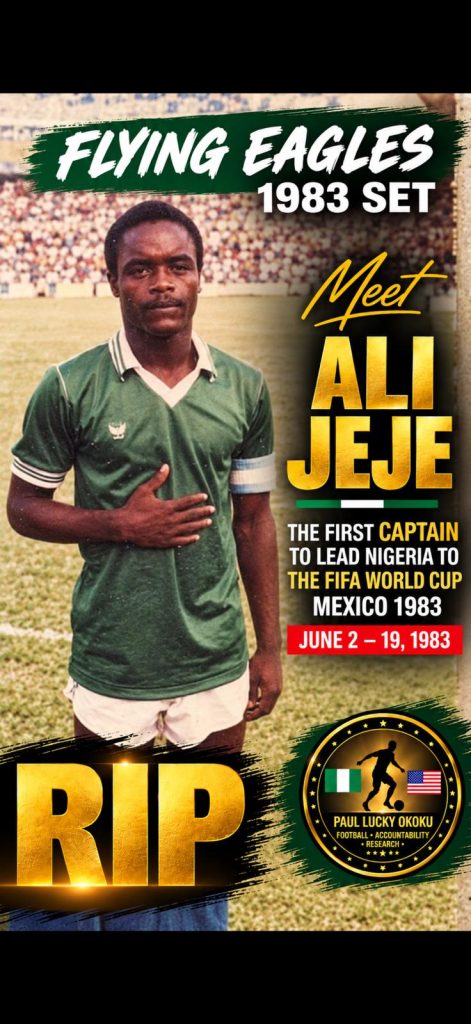
Describes him as Nigeria’s first captain at FIFA World Cup level; recalls their historic Mexico 1983 campaign and scholarship support for his son.
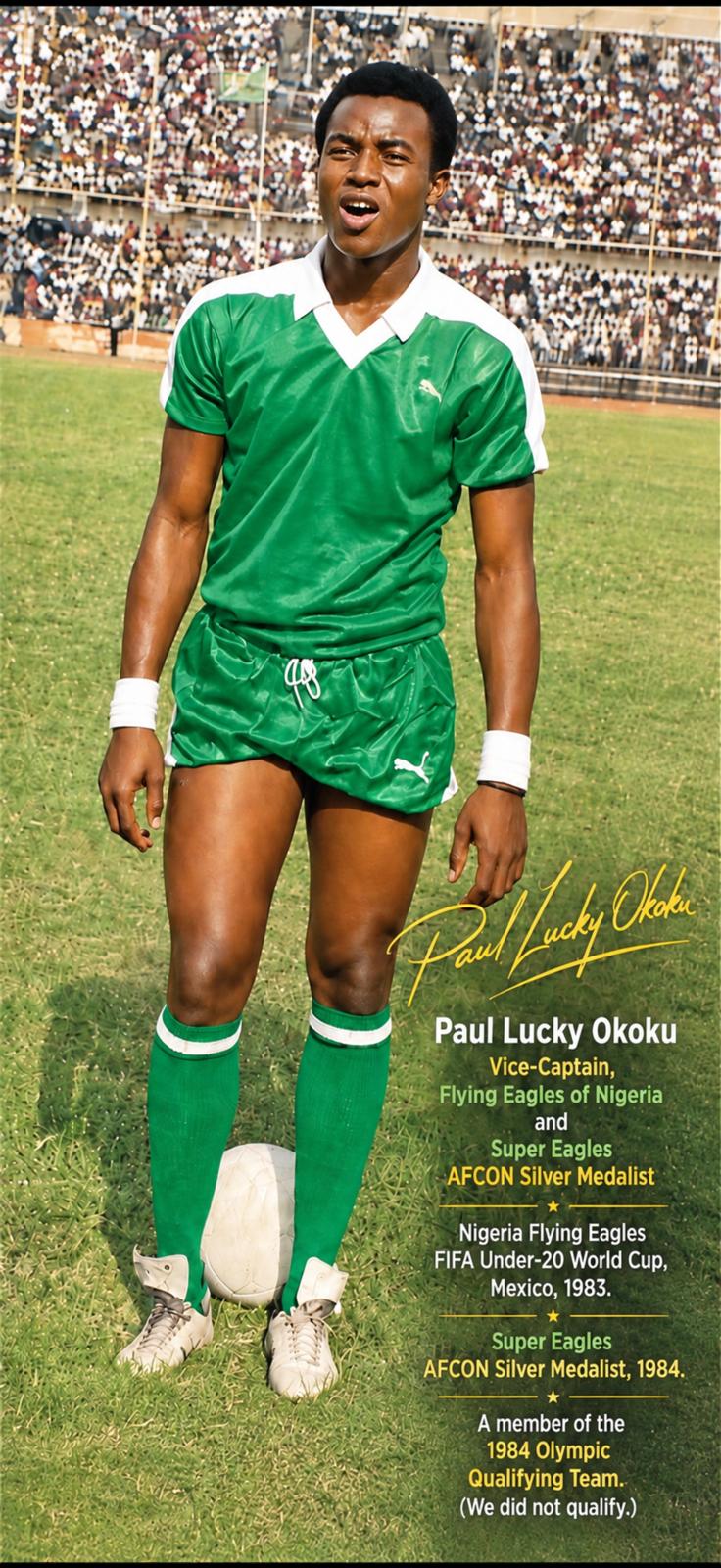
Former Nigeria Flying Eagles vice-captain, Paul Lucky Okoku, has paid an emotional tribute to his former teammate and captain, Ibrahim Ali Jeje, who led Nigeria’s historic U-20 national team to the 1983 FIFA World Youth Championship in Mexico.
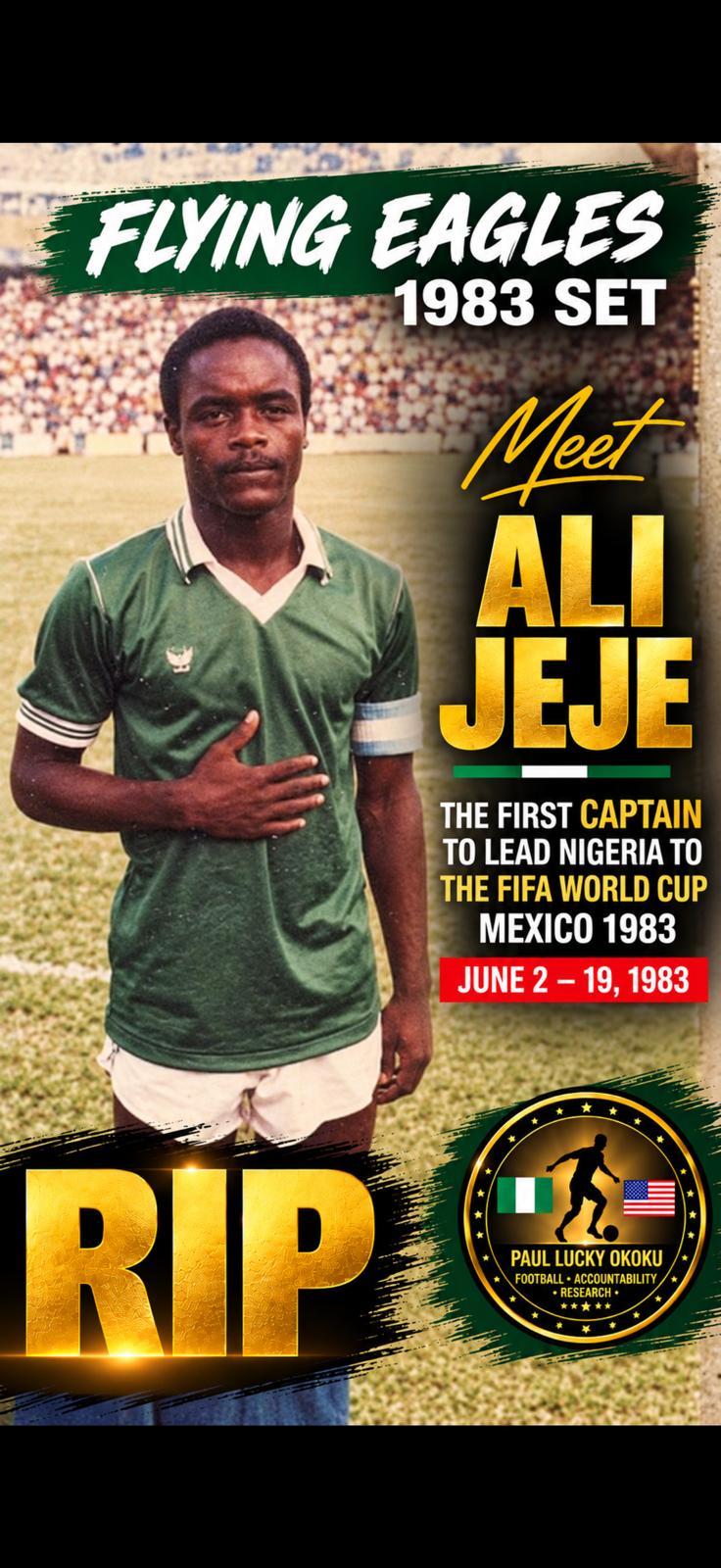
In a tribute titled “Meet the 1983 Flying Eagles: Part 1 — Meet Captain Ali Jeje,” Okoku described Jeje as a pioneering figure in Nigerian football history, having captained the first Nigerian national football team to participate in a FIFA World Cup competition at any level.
The 1983 FIFA U-20 World Cup, held in Mexico from June 2 to 19, marked a significant milestone in the country’s football development and opened a new chapter for Nigerian football on the international stage.
According to Okoku, Jeje emerged through Nigeria’s domestic football system, featuring for Mighty Jets of Jos and Abiola Babes of Abeokuta before becoming a member of the national youth team under coach Christopher Udemzeue.
He also recalled that Jeje captained Nigeria to victory in the 1983 African Youth Championship, where the Flying Eagles defeated Côte d’Ivoire 4–3 on aggregate in the final to qualify for the World Cup in Mexico.
Okoku, who served as Jeje’s vice-captain, described their relationship as one built on mutual respect, friendship and shared responsibility.
“He was our captain. I was his lieutenant,” Okoku recalled, reflecting on the privilege of serving alongside Jeje during one of the most defining moments in Nigerian football history.
He further recalled a memorable photograph showing Jeje introducing members of the team to Nigeria’s then President, Alhaji Shehu Shagari, describing it as a lasting reminder of the generation that first carried Nigeria onto the FIFA World Cup stage.
THE PAINFUL STORY BEHIND HIS DEATH
Beyond football, Okoku shared an emotional account of how he once received information suggesting that their former captain had died.
He said he attempted to reach Jeje but, based on the information available to him at the time, believed his former teammate was no longer alive. For approximately three years, he lived with that understanding.
However, he later discovered that Jeje was still alive, only to receive the devastating news of his actual death a few days after speaking publicly about the discovery.
Ali Jeje reportedly died on December 12, 2007, at the age of 43, following an illness.
Okoku described the experience as particularly painful, noting that Jeje’s death marked another sad chapter for members of the historic 1983 Flying Eagles generation.
TEAMMATES HONOUR LATE CAPTAIN THROUGH SON’S EDUCATION
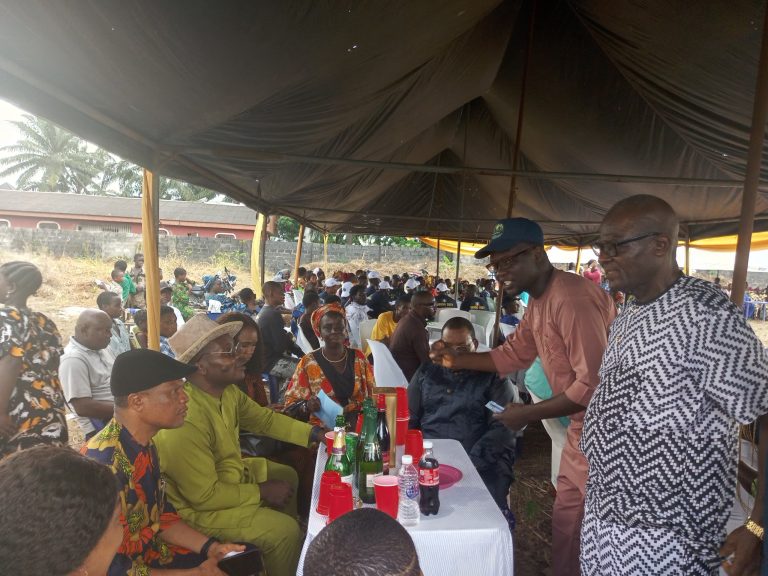
In another significant revelation, Okoku disclosed that members of the 1983 Flying Eagles reunited in May 2024 to honour their late captain by awarding a full educational scholarship to his son, Abdul Rahman Jeje.
He explained that the gesture was their collective way of remembering their former captain and extending support to his family.
The initiative, he noted, demonstrated that the bond forged among members of the historic team had survived long after their playing careers and, indeed, after the death of their captain.
Okoku also recalled that President Shehu Shagari had promised educational scholarships to members of the 1983 Flying Eagles following their historic achievement. However, he lamented that the promise was never fulfilled during Jeje’s lifetime.
A CALL TO PRESERVE NIGERIA’S FOOTBALL HISTORY
The former international footballer used the tribute to draw attention to the importance of documenting the lives and contributions of Nigeria’s football pioneers.
He observed that football history should not be restricted to match results, trophies and international appearances but should also capture the personal experiences, sacrifices, relationships and challenges of the individuals who helped build the country’s football legacy.
He further noted that Jeje’s story was a reminder of the difficulties many former Nigerian footballers encountered after their playing careers, particularly in their later years.
While acknowledging that reliable published records of Jeje’s primary and secondary education were yet to be established, Okoku stressed the importance of preserving such details for future generations.
‘I WAS HONOURED TO BE YOUR LIEUTENANT’
Paying his final respects, Okoku expressed gratitude for the opportunity to have served under Jeje’s leadership during Nigeria’s historic appearance at the 1983 FIFA U-20 World Cup.
“We shared that journey. We shared that history. And those memories will remain with me,” he declared.
He concluded with an emotional message to his departed captain:
“Rest in perfect peace, Captain Ali Jeje. I was honoured to be your lieutenant. Your legacy lives on.”
Okoku’s tribute forms part of a series titled Meet the 1983 Flying Eagles, aimed at documenting the personalities, experiences and contributions of members of the historic Nigerian team.
Paul Lucky Okoku is a former Nigeria Flying Eagles vice-captain and Super Eagles international, AFCON silver medallist, football historian, analyst and investigative football writer. He is also the Founder and Chief Executive Officer of Greater Tomorrow Children’s Fund (GTCF).
The series is expected to provide valuable historical insights into the generation of Nigerian footballers whose achievements helped establish the country’s presence on the global football stage.
About the Author